Receding Gums? Is It Serious?
Roots Exposed? See the 3D Bone Story.
Next Appointment Available: CALL NOW
Why Your Gums Are Pulling Away
Gum recession is rarely a sudden event. It’s a slow, silent migration that often goes unnoticed until you see a “yellowish” area near the gum line or feel a sharp zing when drinking something cold. By the time you notice your teeth look “longer,” a significant biological boundary has already been crossed.
When gums recede, they expose the tooth root. Unlike the top of your tooth, the root has no enamel. It is protected only by a thin layer called cementum, which wears away easily, leaving the “nerve tunnels” (tubules) of your tooth open to the world. This leads to three specific structural dangers:
- Root Decay: Because roots are soft, they decay 10x faster than the rest of the tooth. A cavity on an exposed root can reach the nerve very quickly.
- The Bone-Lead Theory: Gums follow the bone. If the gums are receding, it is often because the underlying bone has already dissolved. The gum is simply retreating because it has no “foundation” to sit on.
- Loss of Attached Tissue: Once the “tough” gum tissue is gone, only thin, loose “cheek” tissue is left, which cannot protect the tooth from the bacteria of daily eating.
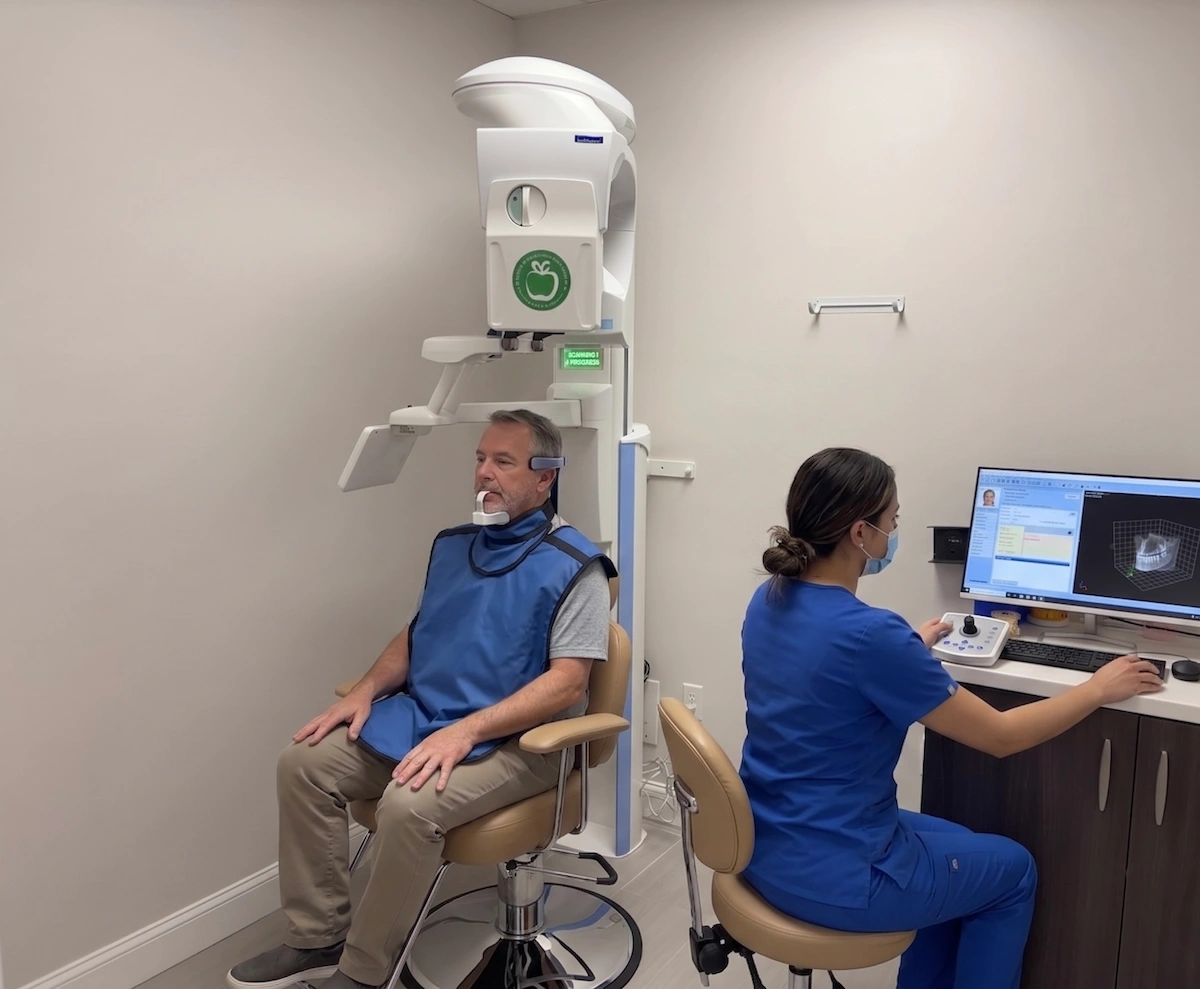
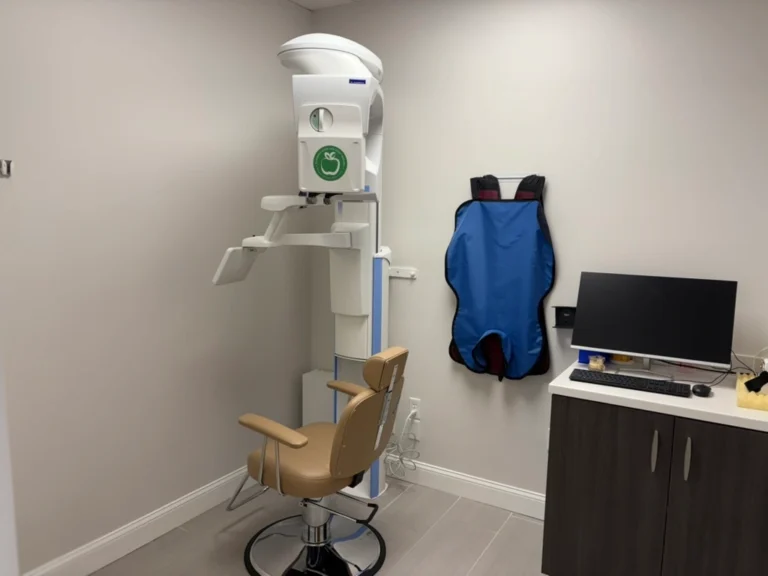
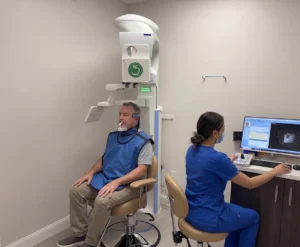
At DayOne, we don’t just look at the pink tissue. We map the bone support in 3D to see if your recession is a surface scratch or a foundational failure.
Get the 3D Facts
Many patients are told they need an expensive, painful gum graft based solely on a visual exam. But if the bone is missing beneath the gum, a graft is like trying to build a house on a sinkhole—it will eventually fail.
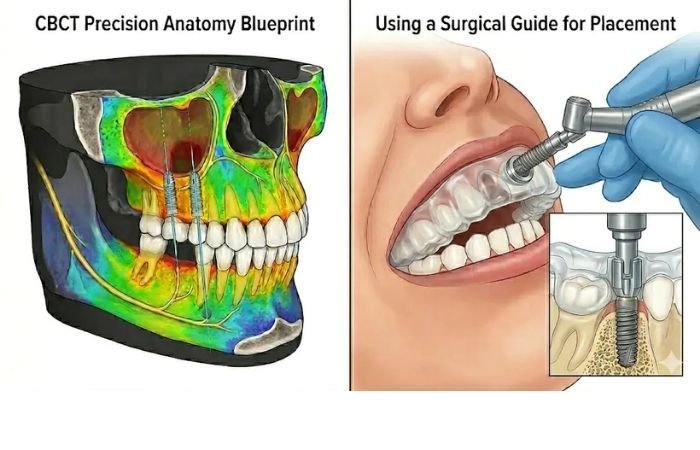
We utilize High-Definition 3D CBCT imaging to see the “3D Facts” of your root support:
- Cortical Bone Measurement: We measure the exact thickness of the bone plate covering your roots to see if the recession is stable or progressing.
- Root Proximity: We identify if teeth are “crowded out” of the bone, which is a leading cause of localized recession.
- Infection Detection: We find hidden “bone pits” caused by bacteria that are physically pushing the gums away.
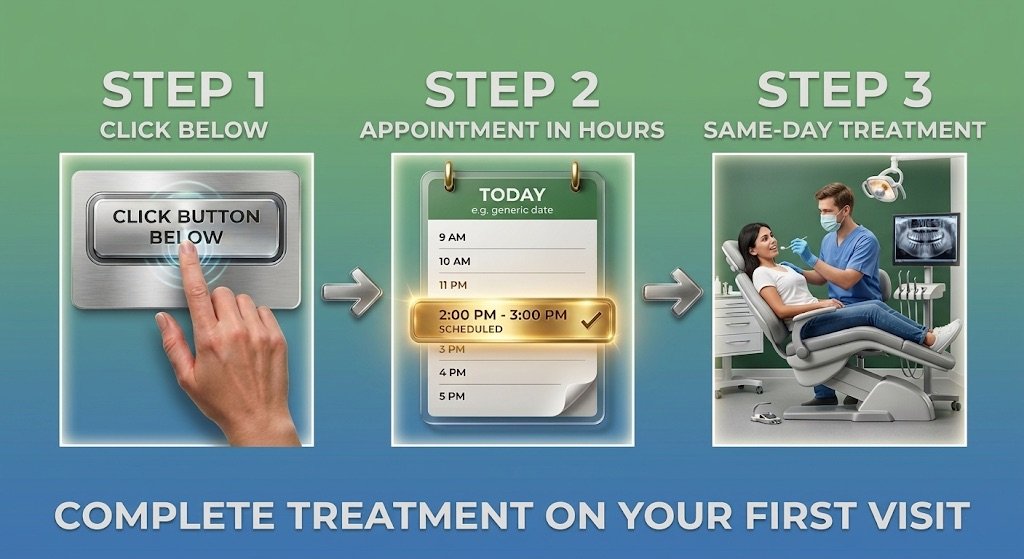
“Receding gums? Map your tooth in 3D. You decide the best path. First-visit treatment available.”
25+ Years of Surgical Authority
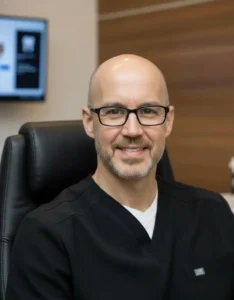
Treating recession requires a mastery of both hard tissue (bone) and soft tissue (gums). Dr. Bergquist brings over 25 years of high-complexity surgical experience to the Orlando area, specializing in Acute Symptom Resolution and foundational rescue.
DayOne is a Surgical Sanctuary. We don’t believe in “one-size-fits-all” referrals. Because we utilize 3D diagnostics, Dr. Bergquist can determine if your recession needs a surgical repair, a conservative seal, or a foundational stabilization—and we can often start that path the same day.
We understand that the fear of “losing your gums” is real. We provide the data to clear the mystery, ensuring you only receive the treatment that is biologically necessary to save your smile.
Case Study: Graft vs. Reality
The “Exposed Root” Crisis
A patient came to Dr. Bergquist after being told they needed $3,000 in gum grafting for their lower front teeth. They were terrified of the surgery and the cost. They just wanted to know: “Is it really that serious?”
The 3D Rescue: Our 3D scan revealed that the bone was actually 100% healthy. The gums were receding because the patient was brushing with too much force (Mechanical Trauma), not because of disease. Instead of a $3,000 surgery, Dr. Bergquist performed a conservative “Bio-Compatible Seal” on the exposed roots to stop the sensitivity and decay risk. We saved the patient thousands of dollars and an unnecessary surgery by seeing the “3D Truth.”
You Decide the Path
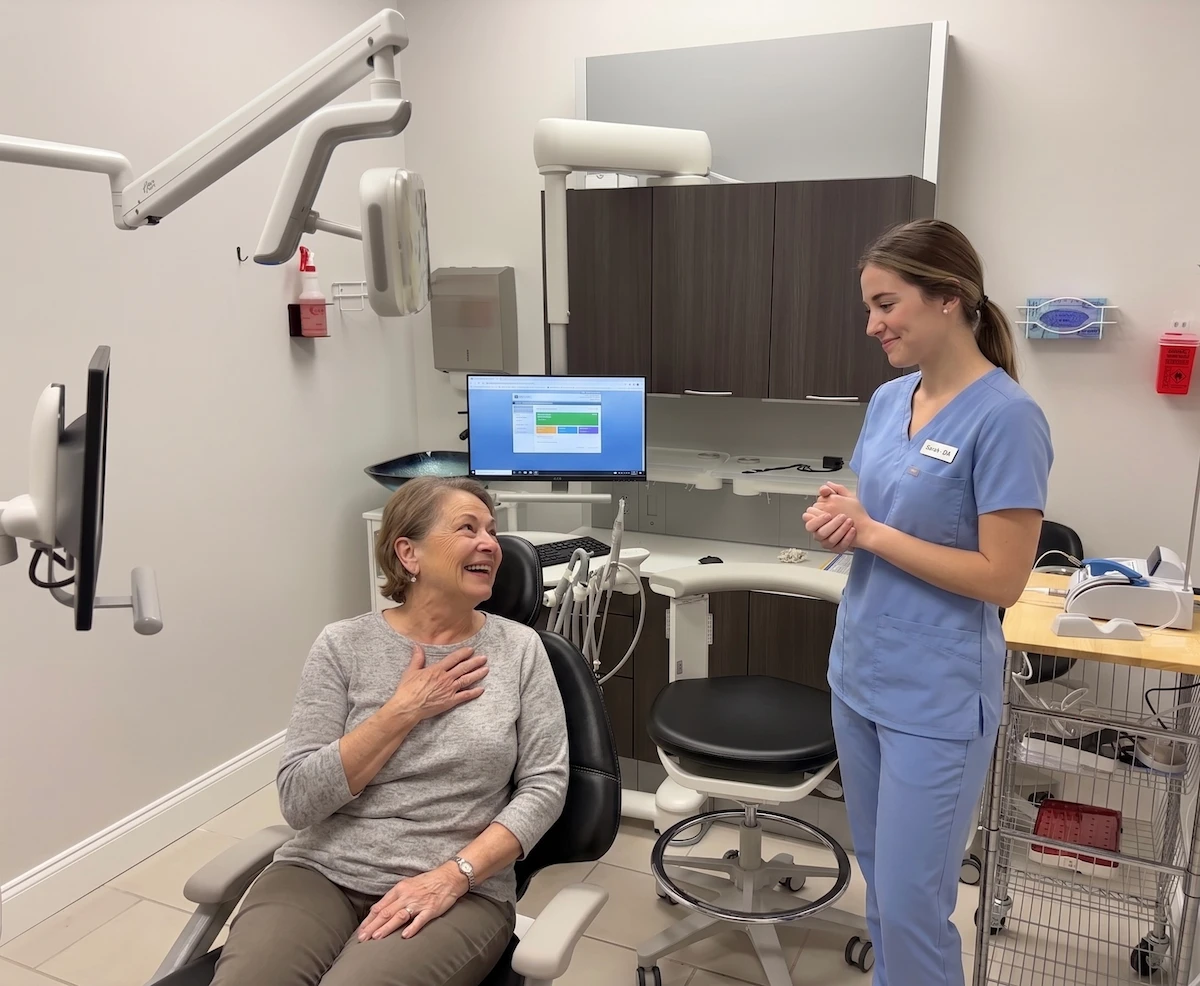
Once we’ve mapped your root support in 3D, we show you the screen. You choose the fix:
Option A: Conservative Root Shielding
Best when bone is stable. We apply a high-strength, tooth-colored barrier (ie. Ketac Nano – chemical bonds to “wet” root structure and releases Fluoride) over the exposed root to stop sensitivity and prevent “notching” and decay.
Option B: Surgical Tissue Rescue
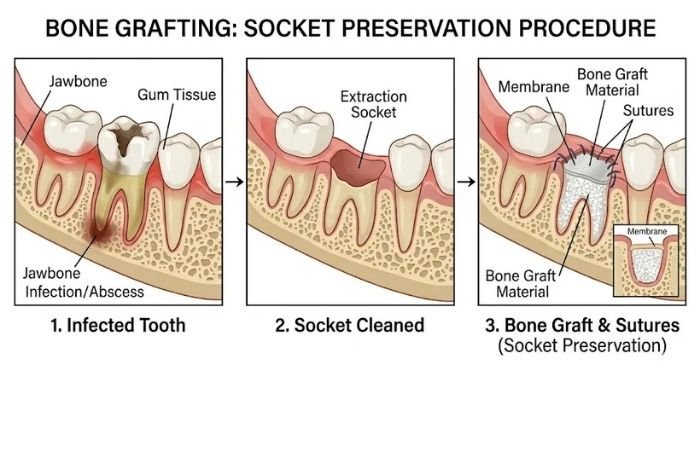
If bone loss is active or tissue is too thin, we discuss surgical options to restore the protective gum barrier and stabilize the tooth for the long term.
Recession FAQ
Can gums grow back on their own?
Unfortunately, no. Once gum tissue is lost, it does not regenerate naturally. The goal of treatment is to stop the progression and protect the newly exposed, vulnerable roots.
Is recession always caused by bad hygiene?
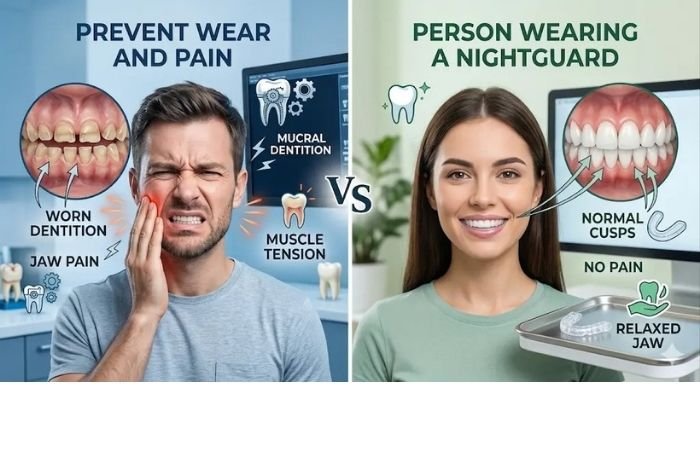
No. In many cases, it is caused by “aggressive” brushing, clenching/grinding (Bruxism), or simply having naturally thin bone. Our 3D scan helps identify the specific “Why” for your mouth.
Does insurance cover root shielding?
Most PPO plans cover root restorations if decay is present or if the recession is causing significant structural risk. We provide a full breakdown of your benefits before any treatment begins.
Accessible Foundation Care
Receding gums are a warning sign. We make it easy to get the answers you need today without the financial stress.
- $45 Emergency Entry: Includes our 3D CBCT root support mapping and a focused surgical exam with Dr. Bergquist.
- High-Approval Financing: We offer Denefits (no-credit-check) and traditional financing to ensure everyone has a path to care.
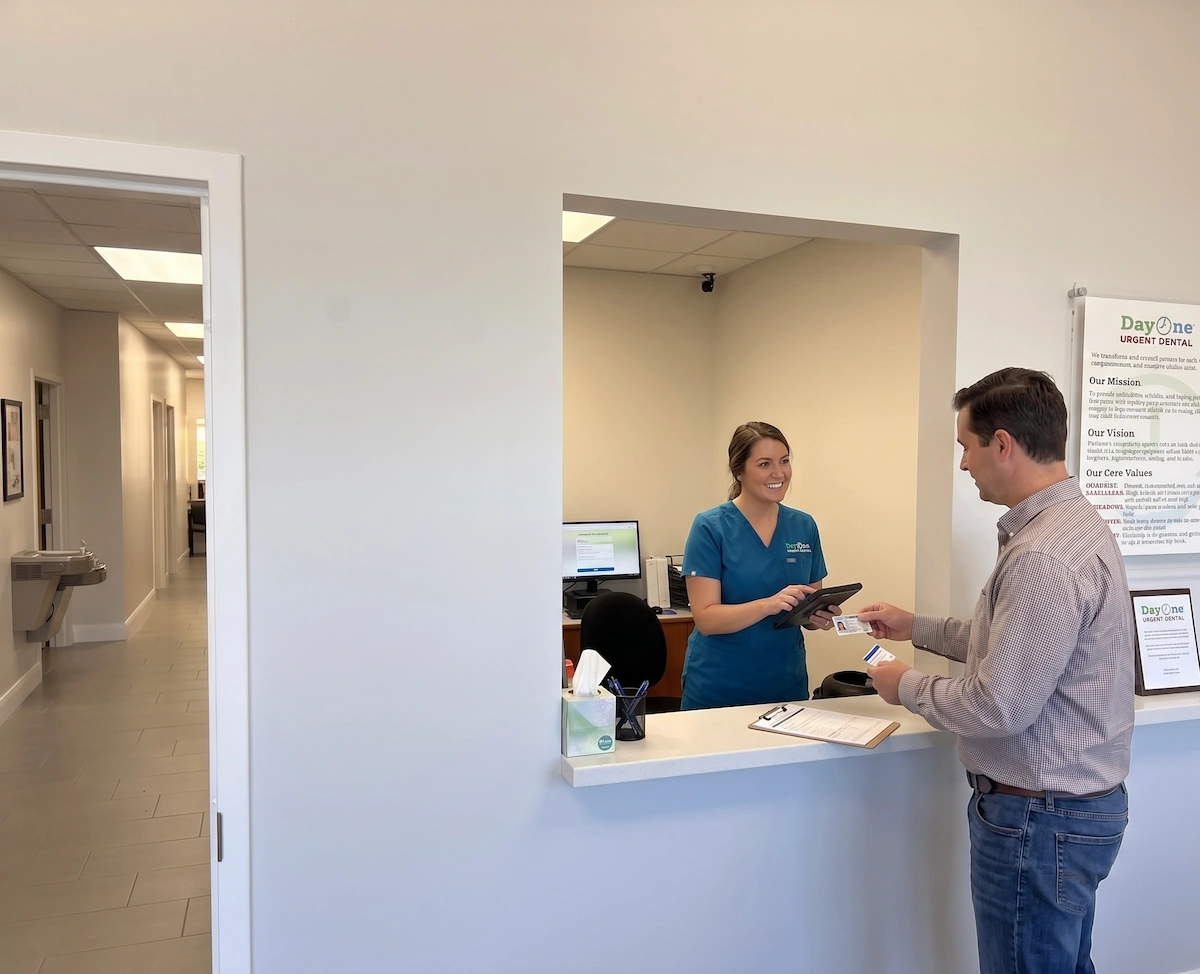
- Walk-ins Welcome: Open 7 Days a week. If you noticed a new area of recession today, come see the 3D facts today.
Open 7 Days a Week, 7AM – 6PM
We are Winter Park’s surgical sanctuary. We stay open when others are closed because your crisis—and your questions—won’t wait for Monday.
Open Now until 6PM
Live 24/7 Response
Stop the Recession. Today.
Call (407) 710-5000
Winter Park’s Premier 7-Day Surgical Sanctuary